
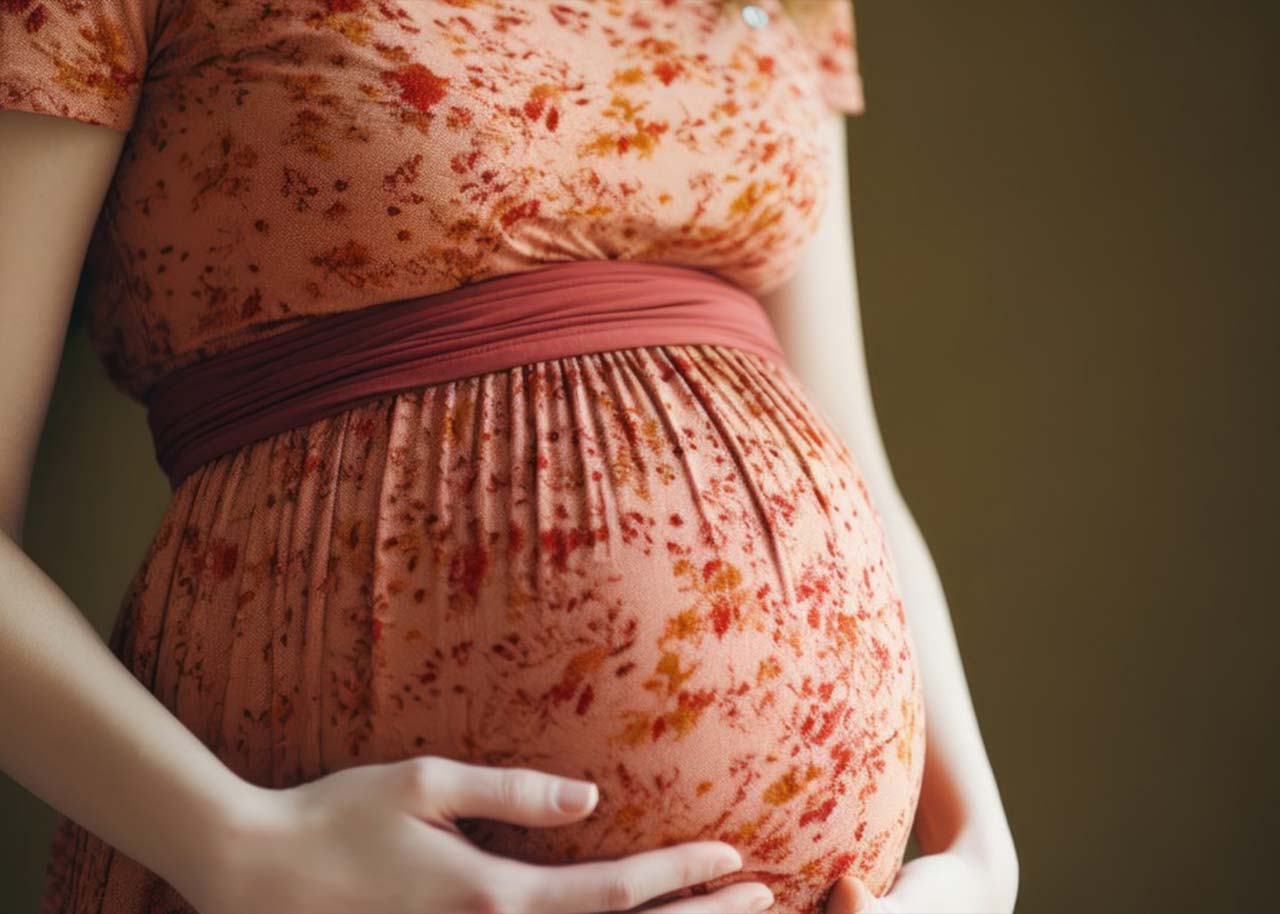
Recurrent pregnancy loss refers to a woman experiencing two or more pregnancy losses. Some countries consider three pregnancy losses as recurrent loss. The European Society of Human Reproduction and Embryology (ESHRE) has proposed adding biochemical and/or ectopic pregnancy losses, which cannot be detected on ultrasound examination, to this definition.
Recurrent losses can be both physically and emotionally challenging, causing significant stress on couples. Women experiencing recurrent pregnancy loss often feel anxiety, sadness, and despair.
How common is recurrent pregnancy loss?
The risk of a second loss after one miscarriage is 15%, the risk of a third loss after two miscarriages is 17-31%, and the risk of a fourth loss after three or more miscarriages is 25-46%.
What are the risk factors for recurrent pregnancy loss?
Advanced maternal age, paternal age, previous adverse pregnancy history, and lifestyle factors in both women and men are risk factors for recurrent pregnancy loss. The risk of pregnancy loss is lowest in women aged 20-35. After the age of 40, the risk of pregnancy loss increases rapidly. While pregnancy loss occurs in about 12% of women under 25, this rate rises to 26% in women over the age of 40.
What are the symptoms of recurrent pregnancy loss?
Bleeding, cramping, and low βhCG levels are among the symptoms of recurrent pregnancy loss. However, symptoms may vary from person to person and may not always be clearly recognized.
Doctors typically conduct a comprehensive evaluation and may use blood tests, ultrasound, and other medical imaging techniques for an accurate diagnosis. The diagnostic process can be both physically and emotionally challenging.
What are the causes of recurrent pregnancy loss?
Recurrent pregnancy losses have been associated with genetic factors, coagulation disorders, immunological reasons, anatomical factors, hormonal disorders, infections, and environmental factors. Even after a thorough evaluation, about half of the cases do not have an explanatory cause. While stress has been associated with recurrent pregnancy loss, it is not a direct cause of pregnancy loss.
Genetic Causes
Chromosomal abnormalities are the most common cause of early pregnancy losses. Underlying many miscarriages is the presence of abnormal genetics in the embryo. Chromosomal anomalies are detected in 50% of early pregnancy losses and 30% of mid-term losses. More than 90% of chromosomal abnormalities detected in miscarriages are numerical abnormalities (such as aneuploidy, polyploidy). Others include structural abnormalities (such as translocations, inversions) and mosaicism. The most common numerical anomalies are Trisomies 13, 18, 21, followed by Monosomy X (45X) and polyploidies.
The distribution of chromosomal abnormalities in women with recurrent miscarriages is not different from that in the general population. However, in 4% to 8% of those experiencing recurrent pregnancy loss, one of the partners may have parental chromosomal abnormalities that could lead to chromosomal imbalance in the fetus. The most common parental chromosomal anomalies associated with recurrent pregnancy loss are balanced translocations.
Genetic analysis of pregnancy material is not routinely recommended but may be done for explanatory purposes. When performed, the array Comparative Genomic Hybridization (aCGH) technique is recommended. Parental karyotype analysis (genetic examination) is recommended after individual risk assessment, especially for couples with a history of children with congenital abnormalities due to unbalanced chromosomal abnormalities, and if translocation is detected in the genetic analysis of miscarriage material.
Coagulation Disorders (Thrombophilias)
These can be either inherited or acquired. Inherited thrombophilias, such as Factor V Leiden mutation, activated protein C resistance, prothrombin 20210A gene mutation, and protein S deficiency, have been shown to be associated with recurrent pregnancy loss. A complete thrombophilia screening may yield abnormal results in up to 20% of women with a normal pregnancy history. Therefore, whether thrombophilia screening is necessary for all women with early recurrent losses is controversial. The European Society of Human Reproduction and Embryology (ESHRE) 2022 Recurrent Pregnancy Loss guidelines recommend thrombophilia screening for clinical studies or in the presence of additional risk factors (personal/family), but not otherwise. Screening should include tests for FVL (Factor V Leiden) mutation, Prothrombin mutation, MTHFR mutation, Protein C deficiency, Protein S deficiency, Antithrombin III deficiency. Additionally, for acquired thrombophilia screening, ESHRE recommends delaying APS screening until 6 weeks after pregnancy loss and repeating the test after 12 weeks. APS screening should include Lupus anticoagulant (LA), Anti-cardiolipin antibodies (IgG, IgM), and optionally Anti-β2 glycoprotein (aβ2GPI).
Inherited thrombophilia
The benefit of low molecular weight heparin (LMWH) in preventing pregnancy loss in inherited thrombophilia has been reported to be ineffective. For women with antiphospholipid syndrome (APS) and three or more pregnancy losses, low-dose aspirin (75-100 mg/day) is recommended to be started before pregnancy, and after a positive pregnancy test, prophylactic-dose heparin (UFH, low-dose LMWH) is initiated. The combination of heparin + aspirin improves the live birth rate by nearly 80% in women with APS and recurrent losses (≥3 losses, no evidence for 2 losses). Continuing treatment until delivery is advised.
Immunological reasons
Immunological mechanisms play a role in the success of pregnancy. These include autoimmunity, inflammation, and the relationship between various immune cells and cytokines. Except for antiphospholipid syndrome (APS), the relationship between immunological reasons and recurrent pregnancy losses is very weak. Among the alloimmune mechanisms proposed for the occurrence of recurrent pregnancy losses are maternal-paternal HLA compatibility, absence of blocking antibodies from the mother, and absence of maternal leukocytotoxic antibodies. However, none of the proposed alloimmune mechanisms have been conclusively demonstrated.
Antinuclear antibodies (ANA) and Human Leukocyte Antigen (HLA) have been studied in this regard. The European Society of Human Reproduction and Embryology (ESHRE) 2022 Recurrent Pregnancy Loss guidelines do not recommend routine HLA testing in couples with recurrent miscarriages in clinical practice, but they suggest testing for HLA class II in Scandinavian women to understand its potential negative impact on future live births.
Hormonal reasons
About 10% of pregnancy losses are attributed to endocrine causes. Thyroid gland dysfunction (goiter), diabetes, polycystic ovary syndrome (PCOS), high prolactin levels, luteal phase deficiency, and other endocrine problems can lead to miscarriage.
Goiter, which is either an underactive (hypothyroidism) or overactive (hyperthyroidism) thyroid gland, can disrupt reproductive functions. Numerous studies emphasize the relationship between thyroid autoimmunity and recurrent pregnancy loss. The 2022 ESHRE guideline strongly recommends thyroid screening (TSH and TPO antibodies) in women with recurrent pregnancy loss. If a woman with recurrent pregnancy loss becomes pregnant again and has significant hypothyroidism (i.e., an underactive thyroid gland), early pregnancy treatment with levothyroxine should be initiated because levothyroxine therapy can reduce the risk of miscarriage. However, if the thyroid gland is functioning normally but thyroid autoantibodies are positive (normal TSH and TPO Ab+), studies have shown that levothyroxine therapy does not increase the chance of live birth, so it is not recommended in these women.
While the rate of miscarriage does not increase in diabetic women whose blood sugar is controlled with treatment, uncontrolled diabetes is known to cause miscarriage in women. The risk of spontaneous miscarriage triples in the presence of uncontrolled diabetes. Women with high HbA1c levels in early pregnancy have a significantly higher likelihood of miscarriage. Therefore, fasting blood sugar should be checked in women with recurrent pregnancy loss to clinically suspect diabetes, but routine testing is not recommended. There is currently insufficient evidence to prevent miscarriage with metformin, an antidiabetic medication used in treatment.
Luteal phase deficiency refers to the inadequate or inappropriate development of the endometrial lining, the potential implantation sites for the embryo in the uterus, leading to miscarriage. The hormone progesterone supports the luteal phase. Inadequate secretion of progesterone can result in improper development and thinning of the endometrial lining, leading to the inability to sustain pregnancy because progesterone thickens the endometrial lining during pregnancy, ensuring its continuation.
In unexplained recurrent pregnancy loss, vaginal progesterone use has been shown to increase the live birth rate in women aged 16-39 with three or more pregnancy losses and vaginal bleeding. Vaginal progesterone is recommended to be started before 12 weeks and used twice daily at 400 mg until 16 weeks. Studies have also shown that oral dydrogesterone, started after fetal heartbeats are seen, may be effective in this regard, but more research is needed to confirm dydrogesterone’s efficacy.
Recurrent pregnancy losses are detected in 35-55% of cases with polycystic ovary syndrome (PCOS). This condition has been associated with obesity, high LH levels, high androgen levels, insulin resistance, and excess leptin.
Infection-related causes
Any bacterial or viral infection can spread to the uterus and cause miscarriage. However, evidence regarding the role of infectious agents in recurrent miscarriage is insufficient. Therefore, according to current literature, routine infection screening is not recommended for these couples.
Anatomical causes
Anatomical causes account for 15% of recurrent pregnancy losses. Anatomical causes of miscarriage can be congenital or acquired. Among congenital uterine anomalies, a septate uterus is very common, but other anomalies such as a bicornuate uterus, a unicornuate uterus, or a heart-shaped uterus can also occur. These are collectively referred to as Müllerian anomalies. In addition to these, inadequate uterine canalization can also lead to miscarriage. Acquired anomalies such as uterine polyps, fibroids, adenomyosis, and intrauterine adhesions can also contribute to miscarriage.
The 2022 European Society of Human Reproduction and Embryology (ESHRE) Recurrent Pregnancy Loss guideline suggests that when investigating anatomical causes, three-dimensional ultrasound, saline infusion sonohysterography (SIS), or MRI imaging can be performed. If a congenital uterine anomaly is detected, evaluation of the urinary tract is also recommended because women with congenital uterine anomalies may also have congenital anomalies in the urinary tract.
Uterine septum, the most common congenital uterine anomaly, is observed in about 3.5% of women with recurrent pregnancy loss. This anomaly is associated with the highest rate of adverse pregnancy outcomes and is the most easily correctable anomaly. Surgical treatment is performed by hysteroscopic septum resection, where the septum is opened using hysteroscopy.
Whether hysteroscopic septum resection improves live birth rates and reduces miscarriage rates should be evaluated in the context of surgical studies.
Women with cervical insufficiency undergo surgical treatment by applying stitches to the cervix either vaginally or through abdominal surgery. This procedure is called cerclage. Due to surgical risks, cerclage is recommended for selected women who have experienced pregnancy loss prior to 12 weeks of gestation.
What advice is given to couples experiencing recurrent miscarriages?
Because smoking can negatively affect the chances of live birth, these couples should be advised to quit smoking. If obesity is present, efforts should be made to lose weight and achieve a normal body mass index (BMI) range. These couples should be informed that excessive alcohol consumption is a possible risk factor for pregnancy loss and that alcohol is a proven risk factor for fetal alcohol syndrome.
What is the prognosis for couples with recurrent pregnancy loss?
The prognosis for the next pregnancy, whether it will continue or not, depends on the woman’s age, the number of previous pregnancy losses, live births, and the entire pregnancy history including their sequence.
Can the problem be with the male partner in couples with recurrent miscarriages?
Recent studies have found an association between recurrent pregnancy loss and low sperm quality in men. Low sperm quality may be associated with high sperm DNA damage. Therefore, the 2022 European Society of Human Reproduction and Embryology (ESHRE) Recurrent Pregnancy Loss guideline recommends performing sperm DNA fragmentation testing for diagnostic purposes in couples with recurrent miscarriages. Similarly, it is recommended to review the male partner’s age and lifestyle habits (smoking, alcohol consumption, exercise regimen, and body weight).
Is sperm selection recommended in the treatment of couples with recurrent pregnancy loss?
There is no evidence supporting the use of Physiological Intracytoplasmic Sperm Injection (PICSI) for sperm selection in women experiencing recurrent miscarriages. Although PICSI for sperm selection has led to a significant reduction in miscarriage rates in women over 35 without a history of recurrent miscarriages, more evidence is needed to recommend this treatment for couples experiencing recurrent miscarriages.
Recurrent pregnancy loss may be associated with genetic, hormonal, immunological, anatomical, thrombotic, and environmental factors. Additionally, risk factors such as age, obesity, and smoking can also play a role.
Women experiencing recurrent pregnancy loss typically resort to medical and surgical treatment options. Lifestyle changes such as quitting smoking, achieving a normal body weight, limited alcohol consumption, and maintaining a regular exercise routine are necessary. Treatment methods may include hormonal therapy, anticoagulant therapy, and uterine surgery.
The duration of the treatment process can vary depending on the individual’s condition, treatment options, and response. Typically, the treatment process progresses within a personalized plan and may require regular monitoring and follow-ups.
By filling out the form, you can make an appointment with Gynecology and Obstetrics Specialist Prof. Dr. Ebru Çöğendez.

IVF treatment prices usually include factors such as tests, medications, laboratory procedures, doctor examinations, etc. during the treatment process.

IVF treatment is applied to couples who are determined by taking certain factors into consideration.

Factors such as age, health status, choice of treatment center and treatment process can affect success rates.

The stages of IVF treatment usually consist of four main stages. The first stage is the preparation stage.

As with any medical intervention, IVF treatment has potential risks and possible complications.
